Between Biomes
A sensory-driven tunnel that transforms how visitors learn about climate and habitat
00
problem
Transitions between biomes in zoos are often designed for convenience and efficient movement rather than meaning. While efficient, this approach limits immersion and reduces opportunities for visitors to build a deeper understanding of climate, habitat, and conservation.
solution
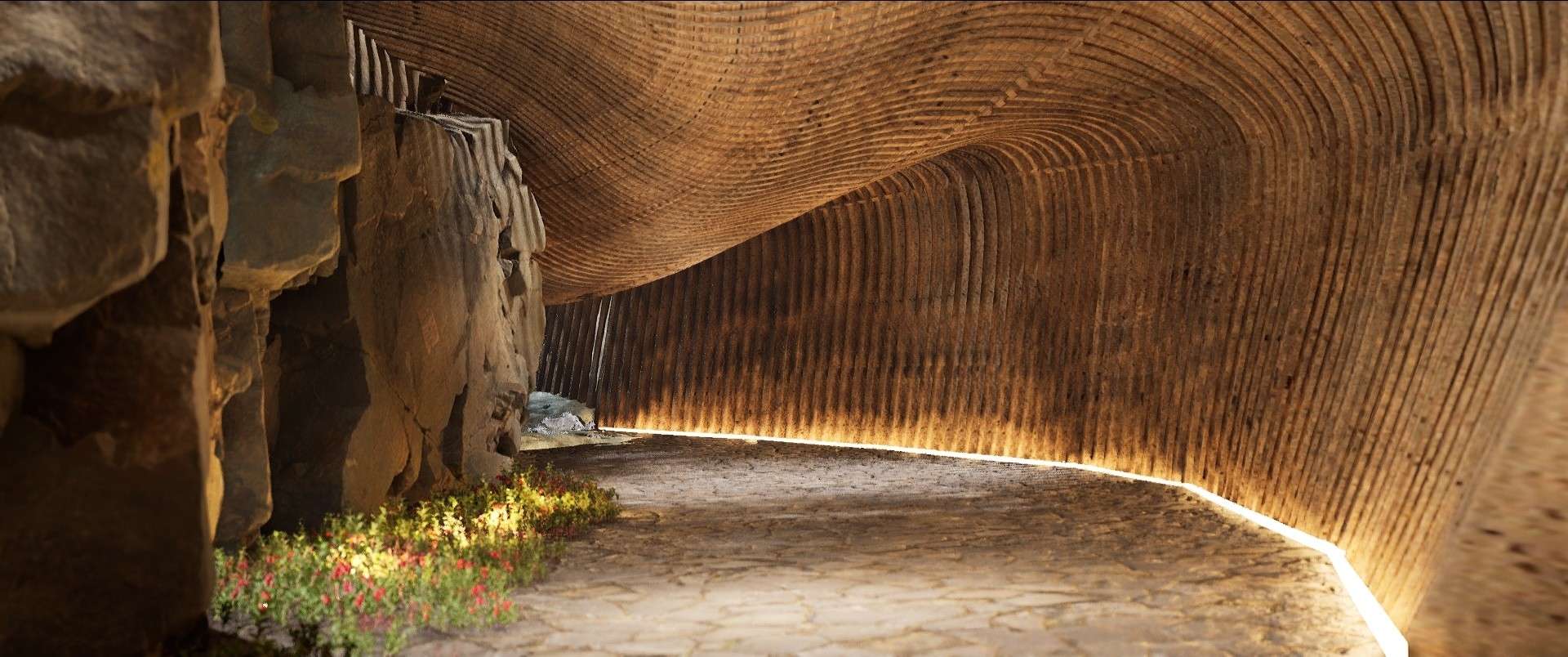
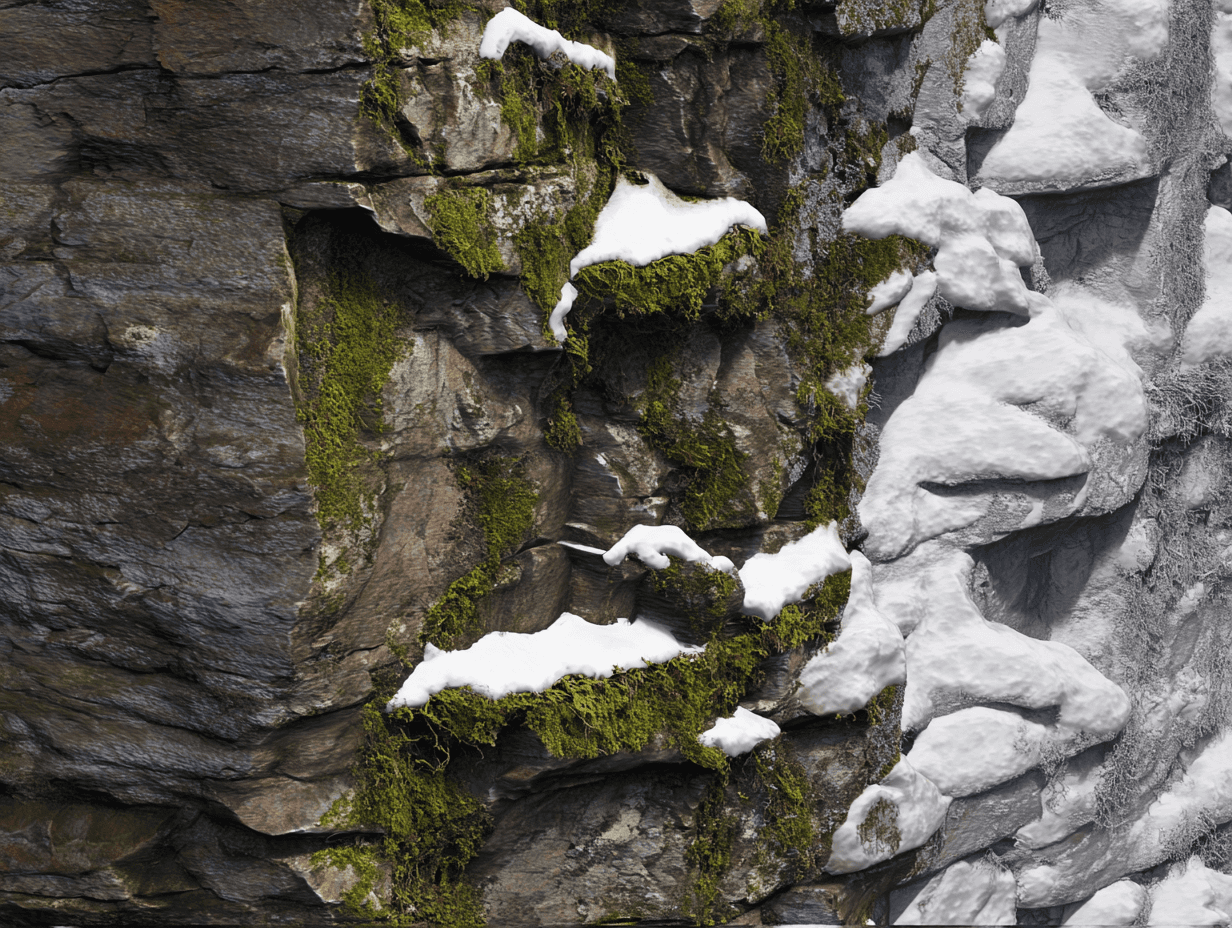
Between Biomes reimagines the transition between habitats as a sensory tunnel that communicates environmental change through gradual shifts in temperature, sound, vegetation, lighting, and materiality. Designed as both a passage and a pause, the space integrates resting areas to support accessibility while encouraging visitors to learn through direct, embodied experience rather than passive information.
The idea for Between Biomes emerged from observing how visitors learn about animals and habitats within zoos. Education is often limited to written signage—or, when available, brief interactions with staff—leaving many guests without the environmental context needed to understand the spaces they are moving through. Without that context, transitions between habitats can feel abrupt, confusing, or disconnected from the animals they frame.
Transitions between biomes in zoos are often designed for efficiency rather than meaning, prioritizing movement over experience. While individual habitats may feel immersive, the spaces between them frequently disrupt continuity, limiting how visitors understand climate, habitat relationships, and environmental contrast.
To better understand these moments of disruption, I conducted observational and diary-based research across multiple zoos, including Disney’s Animal Kingdom. While habitats felt rich and exploratory, transitional spaces such as bridges and corridors often relied on signage or staff to explain environmental change rather than communicating it through the space itself. In contrast, research into the Montreal Biodome revealed how sustained enclosure and atmospheric shifts can maintain immersion across dramatically different climates, allowing visitors to experience environmental change rather than merely read about it.
Between Biomes identifies transitional spaces as an opportunity to reframe how zoos communicate environmental context. By introducing gradual shifts in climate, sensory cues, and moments of rest before visitors encounter the animals themselves, the project reimagines transitions as places of orientation, learning, and accessibility rather than purely functional passageways.
01
02

see also