Reimagining the Garden Center
A research-driven exploration of wayfinding, spatial clarity, and service design in large-scale outdoor retail.
00

problem
Outdoor garden centers often lack the environmental clarity found inside the store. Open layouts, inconsistent lighting, and minimal architectural cues make it difficult for customers to understand where to go, when to act independently, and when to seek assistance. This ambiguity creates hesitation at key moments in the journey, particularly near service points, while placing added strain on associates who must frequently step in to guide customers. As a result, the outdoor experience feels disconnected from the core Lowe’s brand and less intuitive than competing retailers.
solution
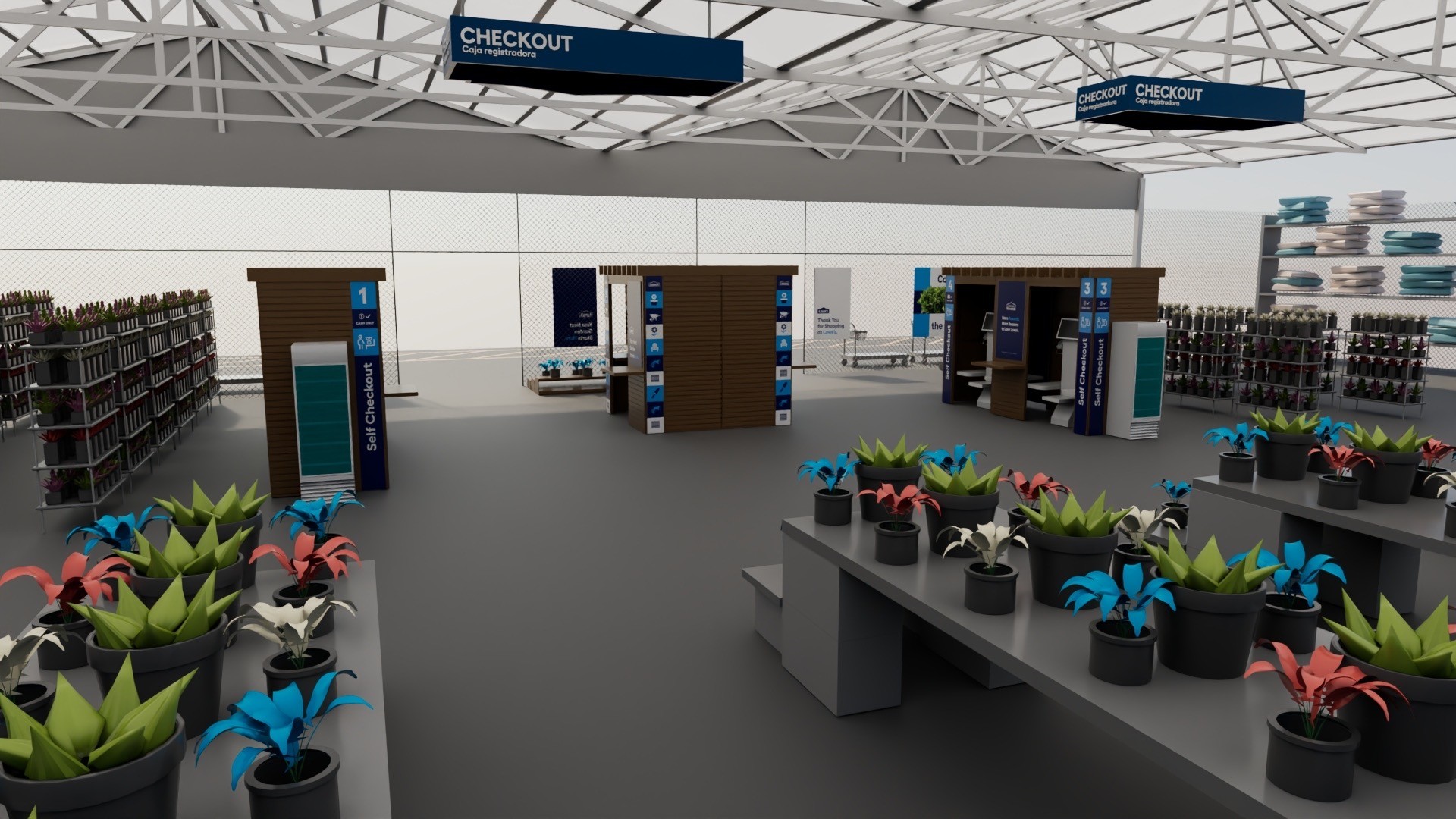
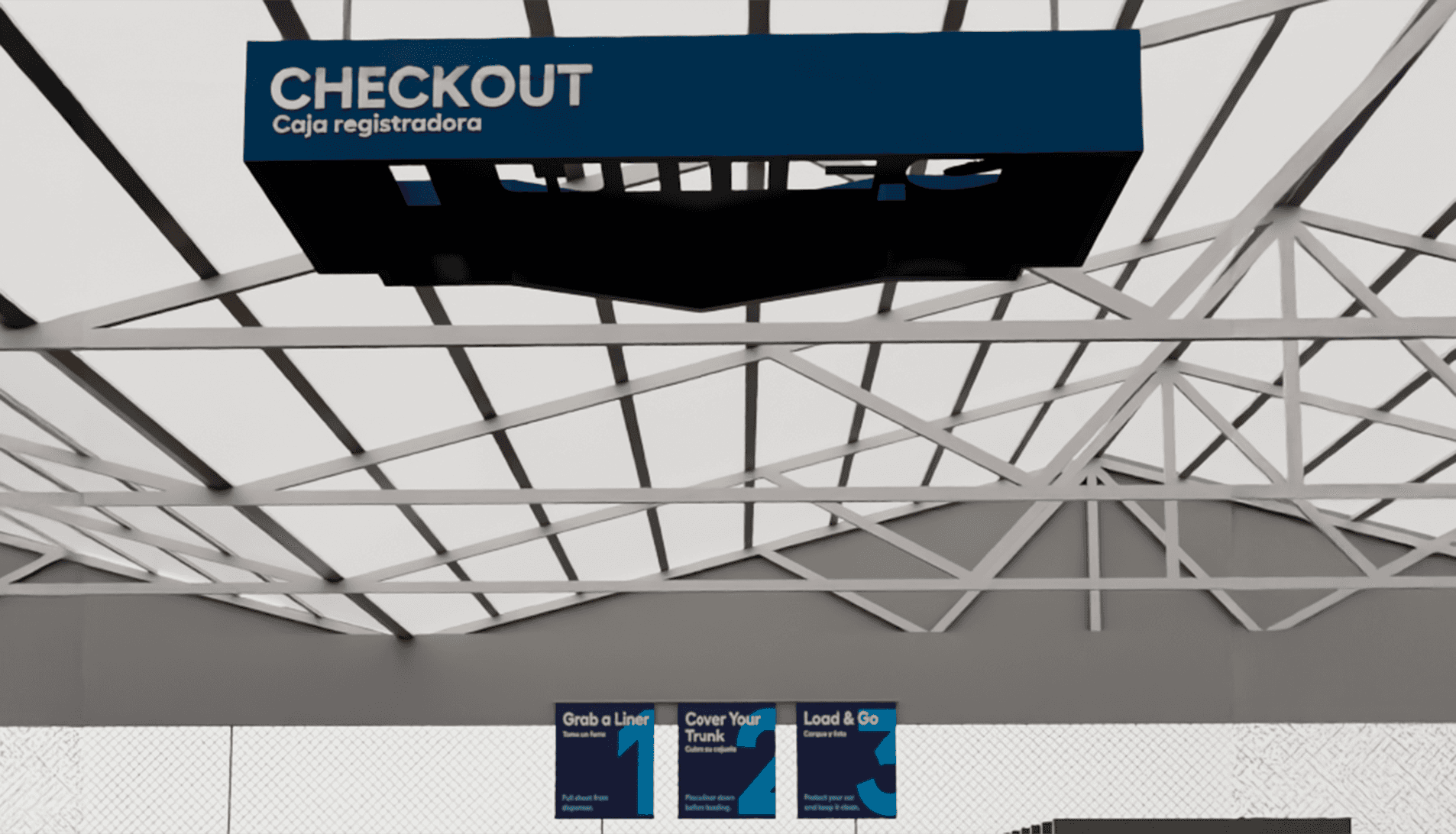
We approached the garden center as a service environment shaped by movement, visibility, and reassurance. The work focused on strengthening brand presence and spatial clarity through environmental wayfinding, overhead cues, and a consistent visual language that guides customers without relying on instruction-heavy signage. The system was designed to support both customers and associates by enabling confident, independent navigation while allowing a single associate to efficiently oversee the space. By prioritizing intuitive guidance and recognizable Lowe’s touchpoints, the solution reduces friction and creates a more cohesive outdoor retail experience.
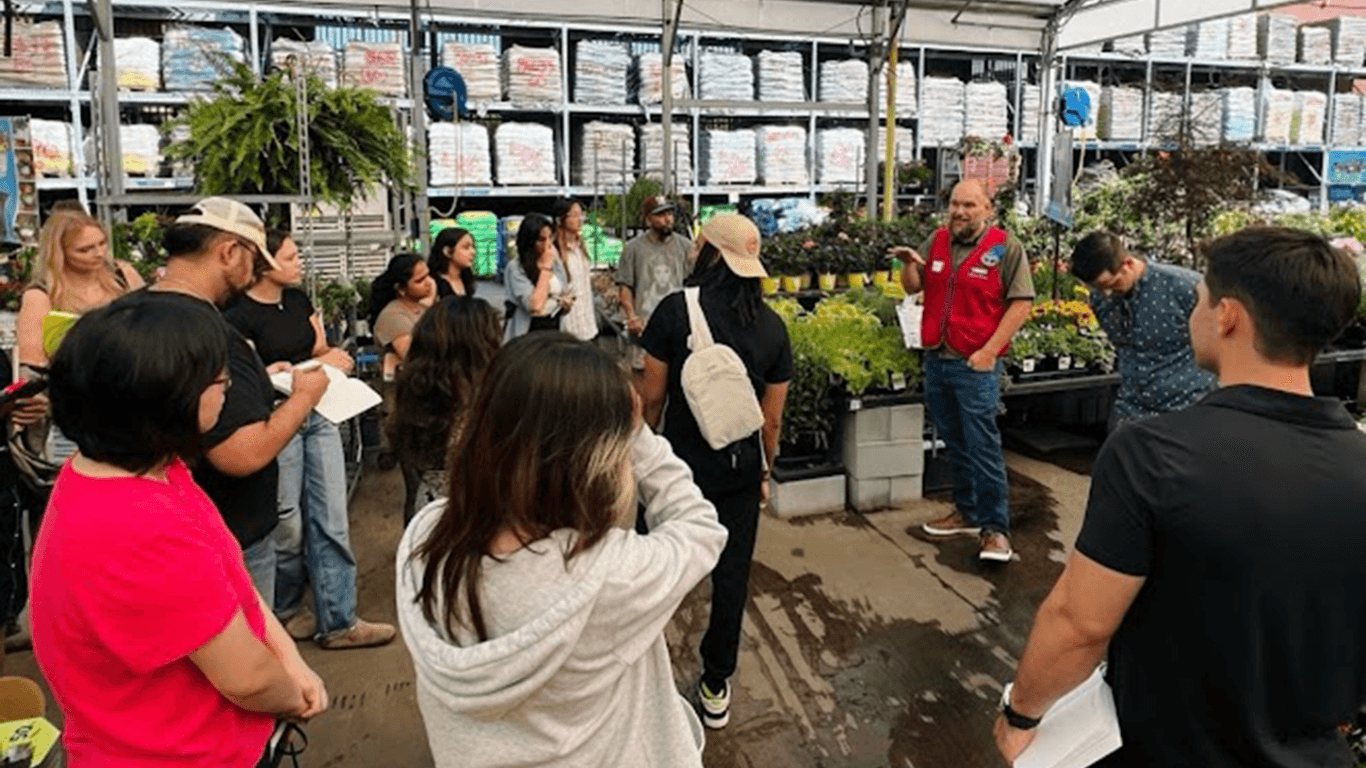
The project began with extensive field research to understand how customers and associates navigate outdoor retail environments. Our team conducted in-field observations across more than 20 Lowe’s locations in Georgia, alongside visits to Lowe’s test store in North Carolina. Through observational studies and diary-based research, we identified recurring breakdowns in wayfinding, moments of hesitation around outdoor self-checkout, and added strain on associates tasked with supporting customers.
These insights revealed a core challenge unique to the Garden Center: introducing self-checkout outdoors requires more than technology alone. Without strong environmental cues, customers struggled to orient themselves, often defaulting to associate assistance. This not only slowed checkout flow but diluted brand presence, creating an experience that felt transactional rather than supportive. In a competitive landscape, this presented an opportunity to use spatial design as a differentiator.
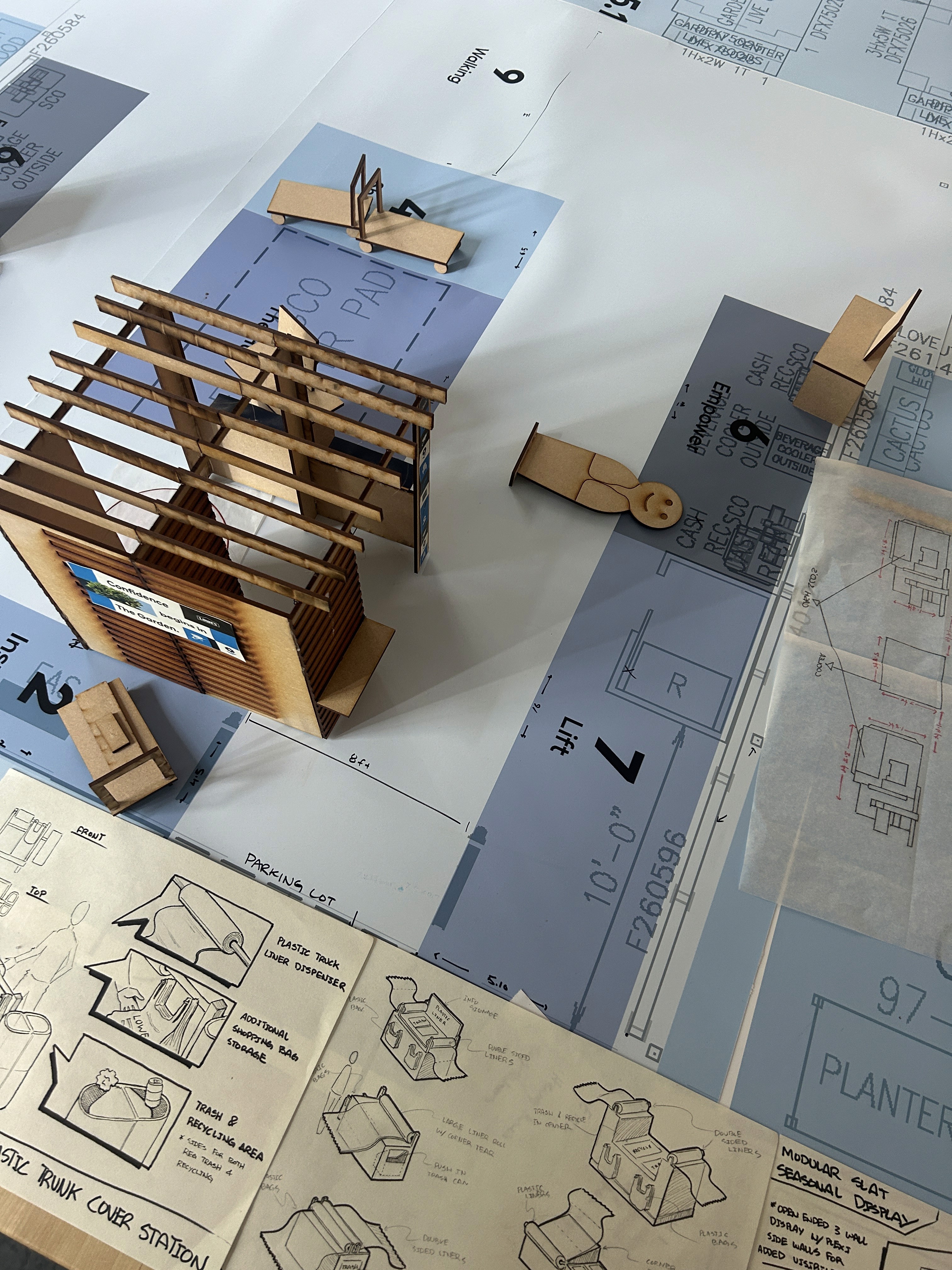
Working on the wayfinding and service design team, I focused on translating research into spatial systems that made the experience more intuitive for customers while reducing cognitive and operational load for associates. The work emphasized environmental guidance over instructional signage, using overhead markers, consistent visual language, and branded moments to gently direct movement and reinforce Lowe’s identity. Rather than relying on explicit directions, the system was designed to feel reassuring and familiar, helping customers feel confident navigating self-checkout independently.
The resulting concepts explored scalable frameworks for outdoor checkout zones, balancing clarity, warmth, and brand recognition. By treating the Garden Center as a service environment shaped by movement, visibility, and trust, the project positioned Lowe’s as a brand that not only supports do-it-yourself tasks, but actively cares for both customers and associates throughout the retail experience.
01
02
03
04
see also